The myths about traveling to Egypt, and what is actually true once you land
The myths about traveling to Egypt, and what is actually true once you land
Most of what stops Americans from booking Egypt is either out of date or was never true. The tourist corridor from Cairo to Aswan and the Red Sea is safe and heavily policed. The scams are real but small, aimed at your wallet rather than your safety, and they fade to almost nothing with a local guide beside you. Women travel here every week, alone and in groups. Winter is mild, the pyramids sit on the edge of a city, tap water is the one thing you genuinely need to avoid, and nobody expects you to speak Arabic. Below are the twelve myths we hear most often on WhatsApp, each followed by the honest reality and what changes when a local agency plans the trip around it.
Myth 1: Egypt is dangerous
The reality. This is the fear that stops the most trips, and it is fed by headlines about a different country from the one you visit. Your route runs through Cairo, Giza, Luxor, Aswan and the Red Sea coast, and that corridor has tourist police at every gate, museum entrance and cruise dock. Crime against visitors is rare enough that the real risks are mundane: crossing a Cairo street, a slippery tomb staircase, too much sun at Karnak at noon. The chaos of Cairo is not danger; it is a megacity running on car horns, and by the second day it stops registering.
What a local agency changes. You never work out a route alone. A driver meets you at the airport doors, the guide handles the checkpoints on the desert road to Abu Simbel, and your hotel and cruise are ones we use every week. We cover the current situation region by region in our guide to whether Egypt is safe to visit right now.
Myth 2: Everyone will try to scam you
The reality. There is a short list of classic moves and you will meet some of them: the man at the pyramids who says the entrance is closed today, the camel ride that is free until you want to get down, the shopkeeper whose tea turns into a sales pitch, the taxi with the broken meter. None of them are dangerous. They aim at a small overpayment, and a firm no with a smile ends most of them on the spot. The bigger truth is the one the myth hides: most Egyptians you meet want nothing from you except a chat about where you are from.
What a local agency changes. A guide beside you ends nearly all of it before it starts. Touts read the situation and move on, the guide holds the tickets and fixes the carriage rate in Edfu before you climb in, and you never hail a taxi off the street. Our guide to the common scams in Egypt lists every one we know and the sentence that shuts it down.
Myth 3: Women cannot travel alone
The reality. Women travel Egypt solo every week of the year, and most come home with the same report: verbal attention in the busiest streets, nothing worse, and warmth everywhere else. Comments and stares concentrate in downtown Cairo and around the big tourist gates; on the cruise, inside the temples, in Aswan and on the coast, the day is calmer than most first-timers expect. Shoulders and knees covered outside the resorts, sunglasses in the street and a flat, unsmiling "la, shukran" (no, thank you) cover most situations.
What a local agency changes. A private guide is the single biggest difference: a local beside you where the attention concentrates, a driver at the hotel door, and one WhatsApp contact who answers at any hour. Our guide to solo female travel in Egypt covers dress, hotels, evenings out and what to do when someone will not leave you alone.
Myth 4: It is always unbearably hot
The reality. Egypt has a real winter. From November to February, Cairo daytime highs sit in the high 60s to low 70s Fahrenheit (around 20 to 22 Celsius), with cool nights, and Luxor and Aswan in January are warm rather than hot, which is exactly why the cruise season peaks then. Summer in Upper Egypt is genuinely fierce: July and August in Luxor push past 100 Fahrenheit (38 Celsius) most afternoons. But that is a window of a few months, and the locals solved it centuries ago by reversing the day.
What a local agency changes. We build the day around the month, not a template. Winter means full days outdoors. Summer means the temple at opening, the pool or museum in the middle hours, and Luxor Temple at dusk. Read the best time to visit Egypt for the month-by-month picture, including the quiet shoulder months.
Myth 5: You cannot drink or eat anything safely
The reality. One rule covers most of it: do not drink the tap water or brush your teeth with it. Bottled water is everywhere, the cruise and hotel put it in your room, and your guide keeps a cooler in the van. Beyond that the fear is overblown. Cruise ships and good hotels run kitchens to international standards, and a busy Cairo restaurant turns its food over too fast for freshness to be the issue. Where travelers get caught is raw salad at a quiet place, ice of unknown origin, and five days of double portions at the buffet.
What a local agency changes. Your guide knows which places are busy, which juice stand uses filtered water, and which pharmacy answer to reach for if your stomach complains anyway. Koshary, ful, ta'ameya, molokhia and grilled fish in Alexandria are a reason to come. We cover ice, coffee and washing fruit in can you drink the water in Egypt.
Myth 6: You need to speak Arabic
The reality. English is the working language of Egyptian tourism. Guides are licensed in the language they lead in, hotel desks, cruise crews and shopkeepers in the tourist zones speak enough English to do business, and menus and signage in Cairo, Luxor and Hurghada are bilingual. English thins out in the local taxi, the neighborhood bakery and the villages, where five words of Arabic (hello, thank you, no, how much, delicious) and numbers on a phone screen settle everything.
What a local agency changes. With a private guide the question disappears. You have a translator for every hour outside the hotel, someone who reads the menu, orders the thing that is not on it, and explains the joke the shopkeeper just made about your bargaining.
Myth 7: The pyramids are in the middle of the desert
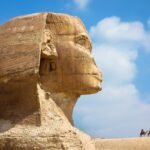
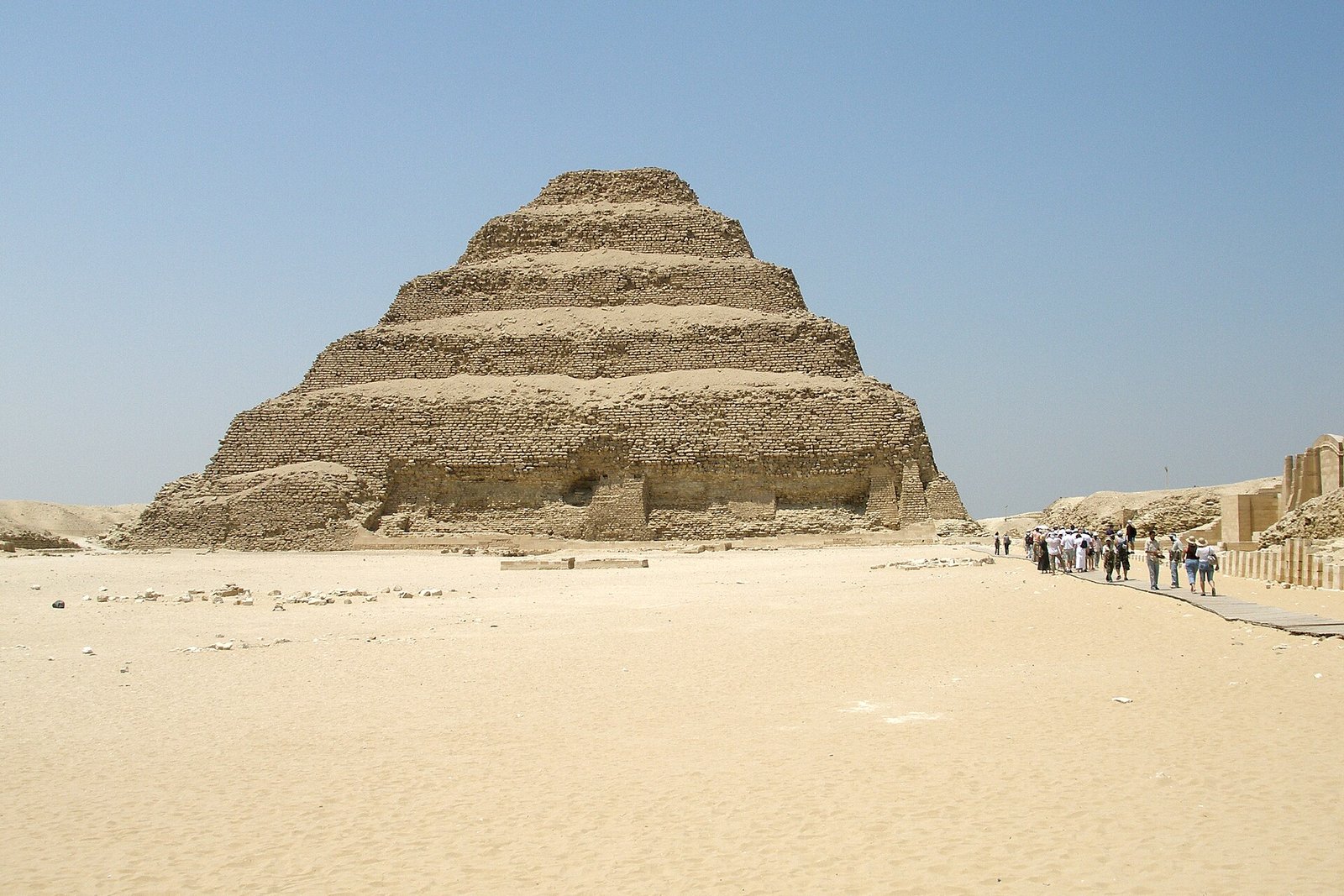
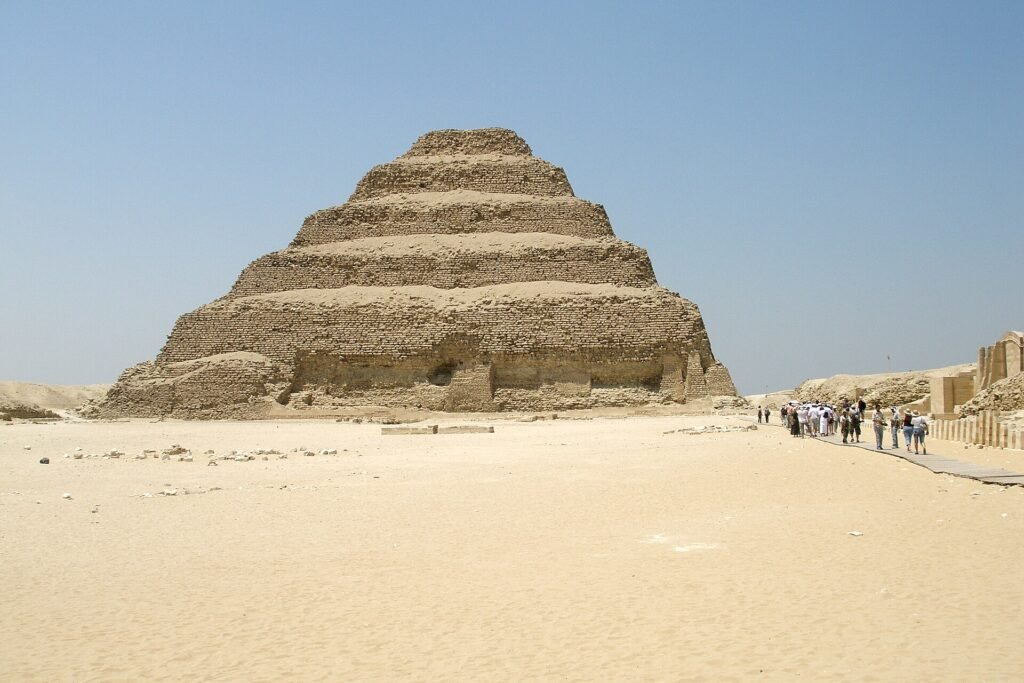
The reality. The Giza plateau is the western edge of Greater Cairo. From the paws of the Sphinx you look east at apartment blocks and a highway; the famous lost-in-the-sands photograph is taken from the panoramic point looking west, with the city behind the photographer. The honest version is better than the myth. The pyramids are a short drive from your hotel, you can be at the gate at opening and back for lunch, and the Grand Egyptian Museum sits beside them. Pyramids with real desert around them exist too: Dahshur, with the Bent and Red pyramids and nobody around, and Saqqara with the Step Pyramid, a short drive south.
What a local agency changes. We time Giza for opening, when the light is low and the buses have not arrived, walk you to the panoramic point for the desert shot, and continue to Saqqara and Dahshur the same morning so you get both versions in one day.
Myth 8: You can see it all in a week
The reality. This is the myth that ruins the most trips, because nobody says it out loud. Cairo, the full Nile, Abu Simbel, the Red Sea and Alexandria in seven days fits on paper. In practice it means four hotel changes, an alarm before dawn every day, and arriving at Philae on day five unable to take anything in. A week does the classic axis well: two days in Cairo, then Luxor to Aswan by cruise, with Abu Simbel as the finale. Ten days lets you add the Red Sea for rest at the end. The Western Desert, Sinai and Alexandria are second trips.
What a local agency changes. We tell you what to leave out, which is the hardest advice to give and the most valuable. Read how many days you need in Egypt before you fix your dates, and build the trip from that number.
Myth 9: A Nile cruise is only for older travelers
The reality. The image of the cruise as a slow float for retirees comes from the big-ship model of decades ago. The point of the cruise is logistics: the temples between Luxor and Aswan sit on the river, and the boat moves you between them while you sleep, so a couple in their thirties gets Karnak, Edfu, Kom Ombo and Philae without a single early transfer or hotel change. Large ships have pools and sundecks and carry everyone from families with teenagers to honeymooners; small dahabiyas draw friends and couples who want to swim off a sandbank.
What a local agency changes. We match the boat to you rather than selling whatever has space that week: a ship with a pool for a family, a dahabiya for a honeymoon, a three-night sailing if time is tight, and the guide on board is ours, not a stranger assigned at the dock.
Myth 10: Egypt is expensive
The reality. Two opposite versions circulate: that Egypt is a splurge on the level of a safari, and that anything affordable there must be low quality. Neither holds. On the ground, food, local transport, tickets and guiding are good value by American standards, and the cost of the trip is set mostly by the level of hotel and cruise you choose, not by the destination. Where money is wasted is on layers of resellers, a US operator subcontracting a wholesaler who subcontracts a local company, each adding a margin for a service it does not deliver.
What a local agency changes. You book directly with the people who own the vehicles and employ the guides, and the quote reflects it. We publish no prices on this page on purpose: tell us your dates, group and comfort level and ask us for the quote. Our guide on whether it is expensive to travel to Egypt explains what moves the number.
Myth 11: Ramadan means everything closes
The reality. Ramadan changes the rhythm of the country, not its availability. The pyramids, temples, museums, cruises and hotels all operate, usually on shortened daytime hours, and hotel and cruise restaurants serve breakfast and lunch as normal. What you notice is a quieter city by day, local cafes closed until sunset, and alcohol harder to find outside hotels. Then comes the best part: at sunset the whole country sits down to eat at once, the streets go silent for twenty minutes, and then they come alive until well past midnight.
What a local agency changes. We shift the timetable to the shortened hours, move the big sites to the morning, and put you at an iftar table with a family or in a street tent, which no other month offers. Full detail in Ramadan in Egypt for tourists.
Myth 12: The sites are always crowded
The reality. The crowds are real at three places at three times: Giza mid-morning, the Valley of the Kings mid-morning, and Abu Simbel when the convoy from Aswan arrives. Everywhere else, and at those three at other hours, Egypt is emptier than its reputation. At Dendera, Abydos, the Tombs of the Nobles and Medinet Habu you can stand alone in painted rooms three thousand years old.
What a local agency changes. Sequencing. We reverse the standard order wherever it helps: the Valley of the Kings at the gate when it opens, Karnak in the late afternoon once the groups have left, Abu Simbel by the early domestic flight or the day before the convoy, Giza before the buses. The same sites, almost empty, for the cost of an earlier alarm.
How Explora Egipto plans around the real issues
Once the myths are out of the way, what is left is a short list of genuine friction points, all solvable at the planning stage. This is what we actually do with them.
- Cairo traffic. The single biggest time thief in the country. We group sites by district, start early, and never cross the city at rush hour.
- The summer heat window. Temples at opening, a long break in the middle of the day, the second outing after four. Cold water in the van and a hat before you ask.
- Pacing. One hotel change per region at most, the cruise doing the moving, and a rest afternoon around day five, where energy usually dips.
- Attention in the street. A guide beside you in downtown Cairo and the Luxor bazaar, where it concentrates, and a driver at the door rather than a taxi to find.
- Water and food. Bottled water everywhere, restaurants we eat at ourselves, and an honest word about which street food is worth the small risk.
- The tout gauntlet. Tickets in the guide's hand, camel and carriage rates fixed before you climb on, and no unscheduled shop visits, ever.
Where the myths come from is worth a sentence, because it helps you filter what you read. Much of the advice online describes Egypt as it was ten or fifteen years ago, before the new museum, the new terminals and the current site rules. A bad ten minutes on one street becomes a verdict on a whole country. The reliable source is someone who was there recently, and the straightest answer comes from the people who will run your trip.
Frequently asked questions
Is Egypt dangerous for American tourists?
Not on the tourist corridor. Cairo, Giza, Luxor, Aswan, Abu Simbel and the Red Sea resorts are policed, busy with visitors year round, and see very little crime against travelers. The real risks are the everyday ones, traffic and sun, and everyday fixes cover them. Check the current State Department page for the regions to avoid, which lie far from any tourist route, and travel with a guide who knows today's situation rather than last year's.
Can a woman travel to Egypt alone?
Yes, and many do. Expect verbal attention in downtown Cairo and near the busiest tourist gates, and a much calmer experience on the cruise, inside the sites and on the coast. Covering shoulders and knees outside the resorts, a firm no and a private guide in the busy streets make the difference. Solo women are among our most frequent travelers, and a dedicated driver and guide is the setup we recommend.
What is the biggest myth about traveling to Egypt?
That you have to see everything in one trip. The danger and scam myths get more attention, but the one that damages the most vacations is the itinerary that packs Cairo, the whole Nile, Abu Simbel, the Red Sea and Alexandria into a week. Pick the classic axis, do it well, and leave the desert and Sinai for a second visit. Nearly everyone who comes once returns.
Do I need to speak Arabic to visit Egypt?
No. English is the language of Egyptian tourism, from licensed guides to hotel staff, cruise crews and shopkeepers in the tourist zones. It thins out in local taxis, small bakeries and villages, where a phone calculator and a few words of Arabic do the job. With a private guide the question does not come up at all, since you have a translator for the whole day.
Is it safe to eat street food in Egypt?
Mostly yes, if you pick busy places where the food turns over quickly. Koshary, ful and ta'ameya from a crowded stand are usually safer than a salad at an empty restaurant, because the risk is raw produce and ice washed in tap water, not the cooked food. Drink bottled water only, skip ice you cannot vouch for, and let your guide point you to the stands locals line up at.
Is Egypt really that hot?
In summer in Upper Egypt, yes: Luxor and Aswan in July and August run well above 100 Fahrenheit (38 Celsius) by early afternoon. From November to March the same cities are warm and pleasant, and Cairo has a genuine cool winter with highs around 70 Fahrenheit (21 Celsius). The heat is a scheduling problem for a few months of the year, not a reason to skip the country.
Leave the myths at home and bring the questions
Tell us what is worrying you, honestly, whether it is safety, the heat, traveling as a woman, the food or simply how many days to take. We answer from Cairo and come back with an itinerary that plans around the real issues and ignores the imaginary ones. No prices on this page; you ask us for the quote and we send it.